google-site-verification: google7b4cbb534bd3dc0e.html

Category: Urinary Symptoms

  • Weak Urine Flow in Men Over 50: Causes and Natural Ways to Improve It

    A weak urine flow is a common concern for many men over 50. It can feel frustrating, uncomfortable, and even embarrassing — especially when it becomes harder to start urination or maintain a steady stream.

    While these changes are common with age, understanding what causes weak urine flow and how to support urinary comfort naturally can help men feel more confident and in control of their health.

    Below is a clear, step-by-step guide to help you understand weak urine flow and explore natural ways to support better urinary function.

    weak urine flow in men over 50

    Weak urine flow refers to a reduced strength or speed of the urine stream. Men may notice difficulty starting urination, a stop-and-go stream, or a feeling that the bladder does not fully empty.

    While occasional changes can happen, persistent weak urine flow is often linked to age-related changes in urinary or prostate health.

    Step 2: Learn Why Urine Flow Weakens With Age

    As men age, several factors may contribute to weaker urine flow.

    Common causes include prostate enlargement, reduced bladder muscle strength, hormonal changes, and increased pressure on the urethra. Over time, these changes can slow the flow of urine and make urination less comfortable.

    Step 3: Recognize How Weak Urine Flow Affects Daily Life

    Weak urine flow doesn’t just affect bathroom habits. It can impact sleep, confidence, and daily comfort.

    Men may feel anxious about long bathroom visits, worry about urgency, or experience interrupted routines. Addressing urinary comfort often improves overall quality of life.

    Step 4: Understand the Role of Prostate Health and Circulation

    The prostate surrounds the urethra, so changes in prostate size and function can directly affect urine flow.

    Healthy blood circulation also plays a role in supporting normal tissue function. Reduced circulation may affect how nutrients reach prostate and urinary tissues over time.

    Step 5: Apply Natural Strategies to Support Stronger Urine Flow

    Many men start with natural approaches to support urinary comfort.

    These may include staying physically active, maintaining a balanced diet, managing stress, and supporting healthy sleep routines. Small, consistent habits often make a meaningful difference over time.

    Some men also choose to support urinary comfort with natural supplements designed to support prostate health and healthy blood flow. One option often discussed in this context is ProstaVive, which is formulated to support prostate function and circulation as part of a daily wellness routine.

    Step 6: Know When to Speak With a Healthcare Professional

    Natural strategies can be helpful, but professional guidance is important if weak urine flow becomes persistent or worsens.

    Consult a healthcare provider if you experience pain, blood in urine, difficulty urinating, or sudden changes in urinary habits.

    Weak urine flow is common after 50, but it doesn’t have to control daily comfort or confidence.

    By understanding the causes and supporting urinary and prostate health consistently, many men are able to improve comfort and feel more in control of their well-being.
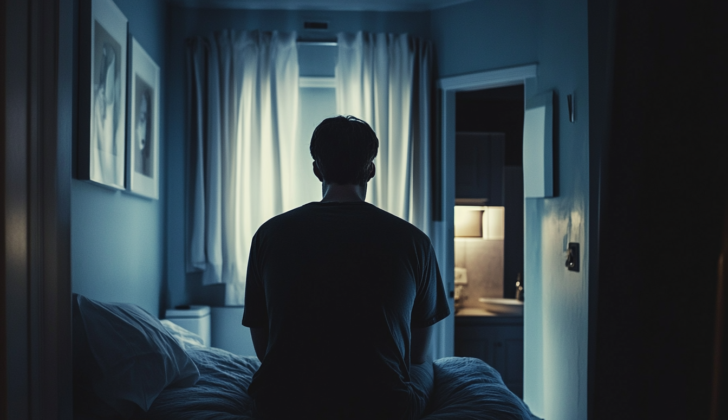
  • Frequent Urination at Night (Nocturia): Causes and Natural Ways to Improve Sleep

    Waking up several times at night to urinate is one of the most common frustrations men experience after 50. It disrupts sleep, drains energy, and often leaves men feeling exhausted during the day.

    This condition is known as nocturia. While it’s common, understanding why it happens and what steps may help can make a meaningful difference in sleep quality and overall well-being.

    Below is a clear, step-by-step guide to help you understand nocturia and explore natural ways to support better nighttime comfort.

    frequent urination at night in men over 50

    Step 1: Understand What Nocturia Is

    Nocturia is the need to wake up one or more times during the night to urinate.

    Occasional nighttime urination can be normal. However, waking up two or more times per night on a regular basis is often disruptive and may signal changes in urinary or prostate health.

    Nocturia itself is not a disease, but a symptom linked to age-related changes in the body.

    Step 2: Identify Why Nighttime Urination Becomes More Frequent With Age

    As men get older, several natural changes may contribute to nocturia.

    These include prostate enlargement, reduced bladder capacity, hormonal shifts that affect urine production, changes in circulation, and lighter sleep patterns.

    In many cases, the prostate places pressure on the urethra, making it harder for the bladder to fully empty, increasing nighttime urgency.

    Step 3: Recognize How Nocturia Impacts Sleep and Daily Energy

    Interrupted sleep prevents the body from fully recovering.

    Men who wake up multiple times at night often experience chronic fatigue, reduced focus, lower motivation, and decreased overall quality of life.

    Improving nighttime urinary comfort often leads to deeper sleep and better daytime energy.

    Step 4: Understand the Role of Prostate Health and Blood Flow

    The prostate plays a central role in urinary function.

    As men age, circulation may decline. Reduced blood flow can affect how nutrients and oxygen reach prostate and bladder tissues, especially during rest.

    Supporting healthy blood flow is often part of broader prostate and urinary wellness strategies.

    Step 5: Apply Natural Strategies to Support Better Nighttime Comfort

    Many men choose to start with natural, non-invasive strategies to improve nighttime urinary comfort.

    These may include adjusting evening fluid intake, maintaining a consistent sleep routine, staying physically active, and focusing on balanced nutrition that supports prostate and urinary health.

    Some men also choose to support nighttime urinary comfort with natural supplements that focus on circulation and prostate support. One option often discussed in this context is ProstaVive, which is designed to support prostate health and healthy blood flow as part of a daily wellness routine.

    Step 6: Know When to Speak With a Healthcare Professional

    Natural strategies can be helpful, but professional guidance is important.

    You should consult a healthcare provider if you experience persistent or worsening nighttime urination, pain, blood in urine, or sudden changes in urinary habits.

    Frequent urination at night is common after 50, but it doesn’t have to control your sleep.

    By understanding what contributes to nocturia and applying supportive habits consistently, many men are able to improve sleep quality, restore energy, and feel more in control of their health.